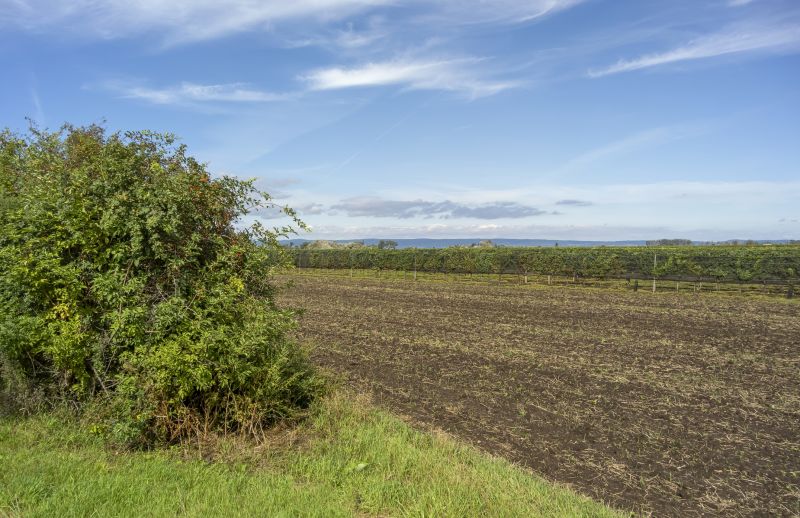
Field Clearing in Houston, TX
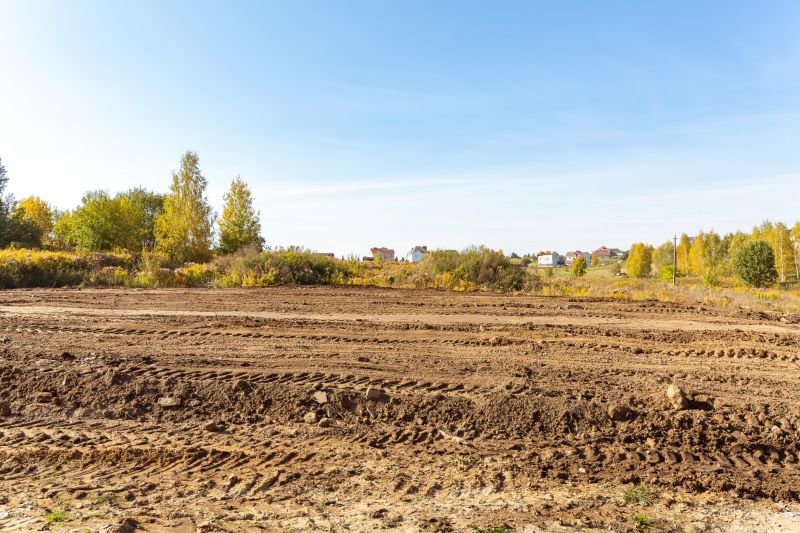
Field clearing services involve removing trees, shrubs, brush, and other vegetation from a property to prepare it for development, landscaping, or maintenance. These services are commonly used for projects such as building new structures, creating open lawns, establishing gardens, or clearing land for agricultural use. Property owners typically want to understand the scope of clearing needed, including whether the work involves selective trimming or complete removal, as well as any potential impact on existing trees or natural features.
Before requesting field clearing, property owners should consider the size and condition of the land, the types of vegetation present, and any local regulations or permits that may apply. Clarifying the extent of clearing required and understanding any restrictions can help ensure the project proceeds smoothly. Proper planning and communication about the desired outcome can contribute to efficient land preparation tailored to the specific needs of the property.
Many property owners in Houston, TX look into Field Clearing for repairs, replacements, upgrades, and appearance-related improvements.
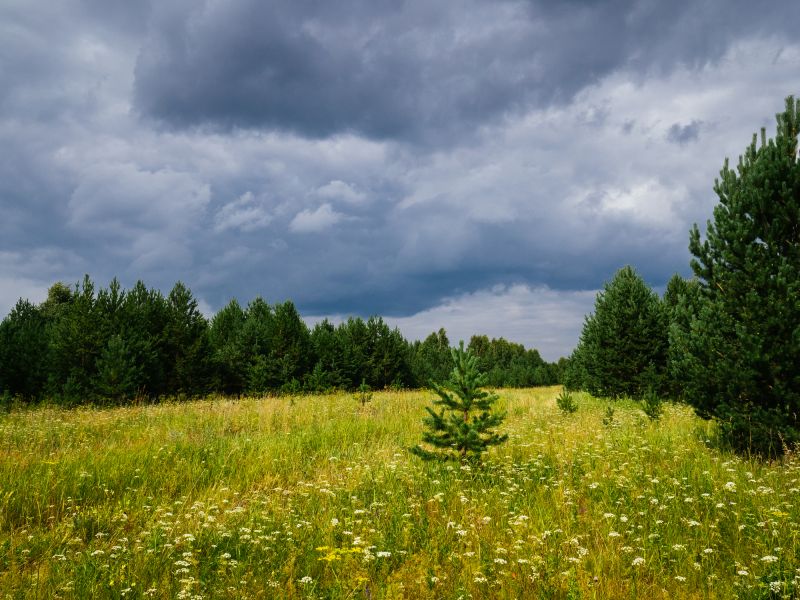
Land Preparation And Maintenance
Clearing overgrown brush and debris to prepare properties for development or landscaping.
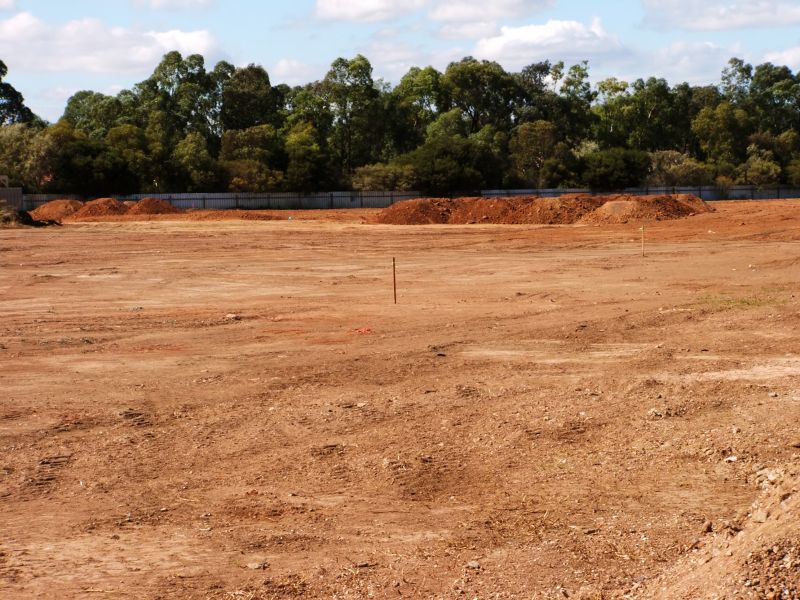
Firebreak Creation And Safety
Removing combustible vegetation to reduce fire risk and improve safety on residential and commercial properties.
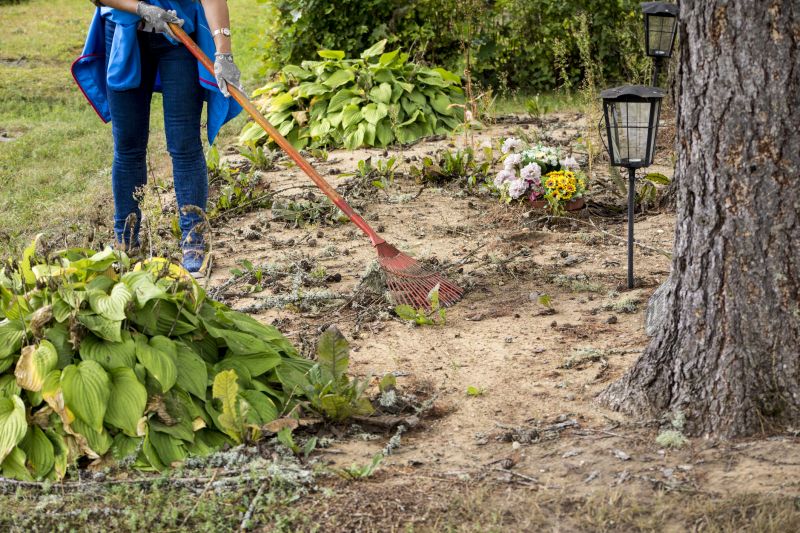
Site Clearing For Construction
Clearing trees, stumps, and underbrush to facilitate building projects in houston and nearby areas.
Field Clearing in Houston, TX

Field clearing services involve removing trees, shrubs, brush, and other vegetation from a property to prepare it for development, landscaping, or maintenance. These services are commonly used for projects such as building new structures, creating open lawns, establishing gardens, or clearing land for agricultural use. Property owners typically want to understand the scope of clearing needed, including whether the work involves selective trimming or complete removal, as well as any potential impact on existing trees or natural features.
Before requesting field clearing, property owners should consider the size and condition of the land, the types of vegetation present, and any local regulations or permits that may apply. Clarifying the extent of clearing required and understanding any restrictions can help ensure the project proceeds smoothly. Proper planning and communication about the desired outcome can contribute to efficient land preparation tailored to the specific needs of the property.
Many property owners in Houston, TX look into Field Clearing for repairs, replacements, upgrades, and appearance-related improvements.
Common Field Clearing Jobs
Brush Clearing - removal of overgrown brush to improve property appearance and access.
Tree Debris Removal - clearing fallen branches and tree remnants after storms or trimming.
Lot Preparation - clearing land for construction, landscaping, or new planting projects.
Firebreak Clearing - creating defensible space around properties to reduce fire risk.
Vegetation Management - controlling invasive plants and maintaining healthy ground cover.
Fence Line Clearing - trimming and removing vegetation along property boundaries.
Field Clearing Questions
What is field clearing? Field clearing involves removing unwanted vegetation, trees, and debris to prepare land for development, agriculture, or landscaping projects.
When is field clearing needed? It is typically required before building, planting, or establishing new landscapes on undeveloped or overgrown land.
What types of projects benefit from field clearing? Residential property improvements, new construction sites, farmland preparation, and land maintenance often require field clearing services.
What should property owners consider before clearing? It's important to assess the land's condition, identify any protected or hazardous species, and plan for debris disposal or recycling options.
Request Field Clearing in Houston, TX
Use the quote form on this page to share the basics of your project and request more information for the type of work you need.