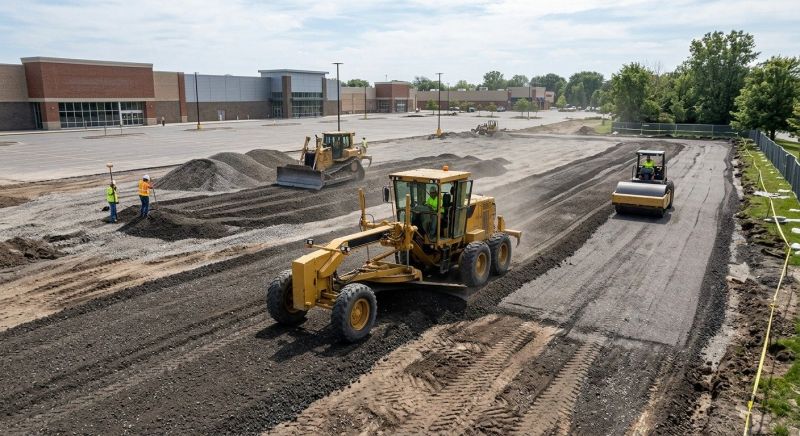
Parking Lot Excavation in Park City, UT
Parking lot excavation services involve the removal of soil, debris, and existing pavement to prepare a site for new paving or construction. This service is commonly used for creating new driveways, parking areas, or expanding existing lots on residential properties. Property owners typically want to understand the scope of excavation, including site preparation, grading, and drainage considerations, to ensure the finished surface is level, stable, and properly drainage-managed for long-term use.
Before requesting parking lot excavation, homeowners should consider the size and layout of the area, as well as any underground utilities or obstacles that may affect the project. It’s also helpful to clarify the desired outcome, such as a smooth surface for paving or a specific grade for water runoff. Proper planning ensures the excavation process aligns with the overall goals for the property, resulting in a durable and functional parking area.
Many property owners in Park City, UT look into Parking Lot Excavation for repairs, replacements, upgrades, and appearance-related improvements.
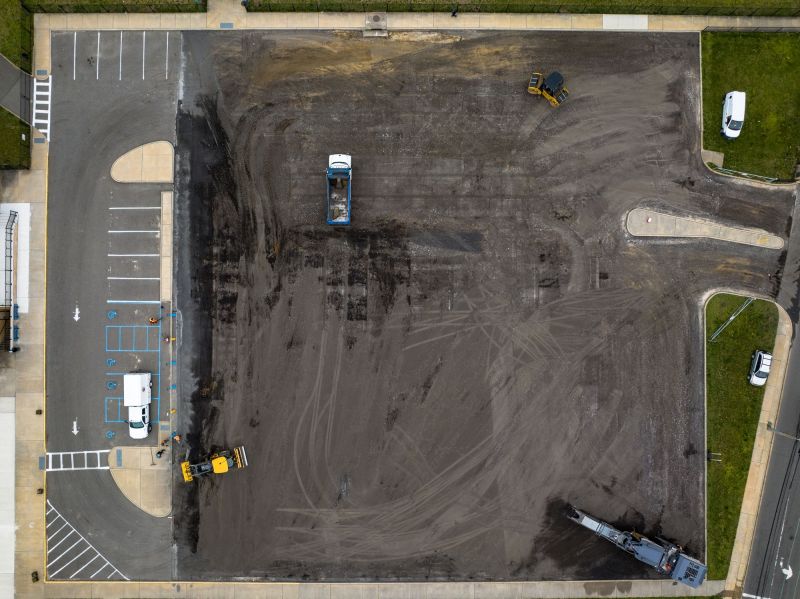
Site Preparation For Parking Lots
Proper excavation ensures a stable foundation for parking areas in park city, ut.
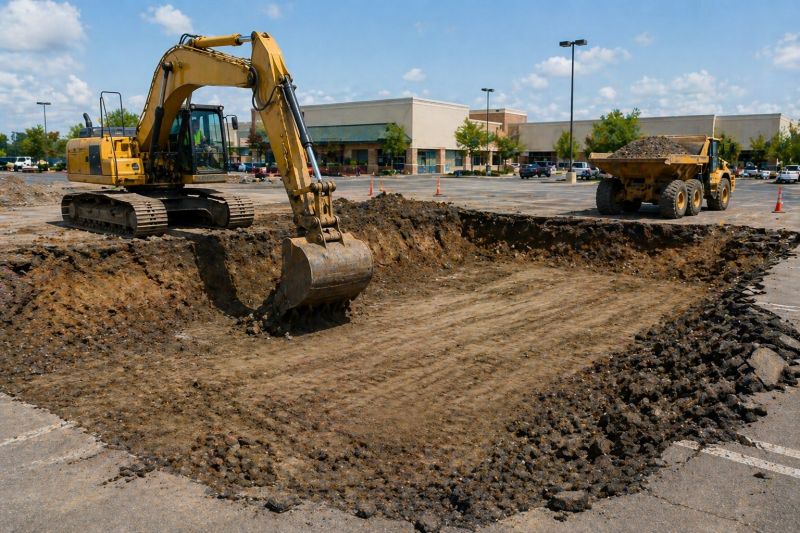
Driveway And Parking Lot Expansion
Excavation services can accommodate the expansion of existing parking spaces for added capacity.
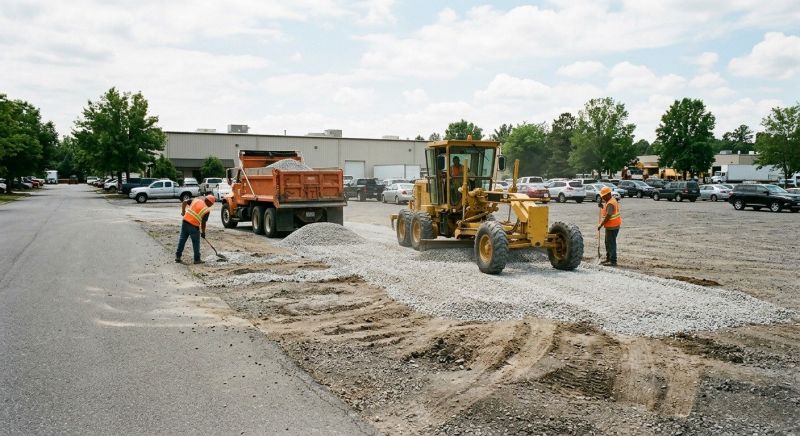
Drainage And Grading Solutions
Effective excavation helps manage water runoff and prevents pooling in parking areas around park city.
Parking Lot Excavation in Park City, UT

Parking lot excavation services involve the removal of soil, debris, and existing pavement to prepare a site for new paving or construction. This service is commonly used for creating new driveways, parking areas, or expanding existing lots on residential properties. Property owners typically want to understand the scope of excavation, including site preparation, grading, and drainage considerations, to ensure the finished surface is level, stable, and properly drainage-managed for long-term use.
Before requesting parking lot excavation, homeowners should consider the size and layout of the area, as well as any underground utilities or obstacles that may affect the project. It’s also helpful to clarify the desired outcome, such as a smooth surface for paving or a specific grade for water runoff. Proper planning ensures the excavation process aligns with the overall goals for the property, resulting in a durable and functional parking area.
Many property owners in Park City, UT look into Parking Lot Excavation for repairs, replacements, upgrades, and appearance-related improvements.
Common Parking Lot Excavation Jobs
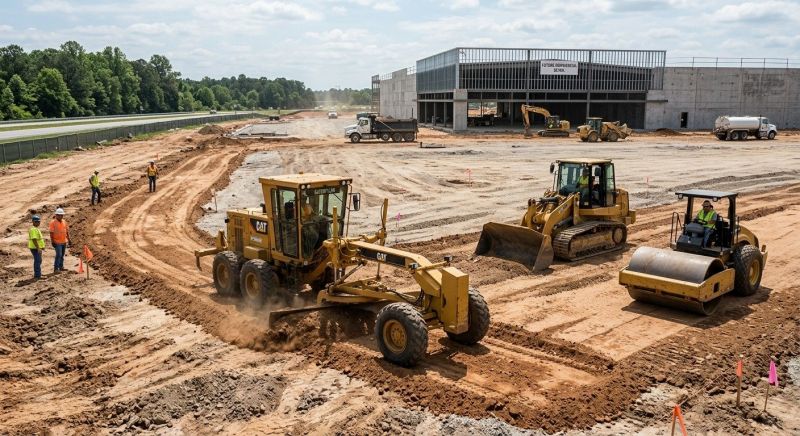
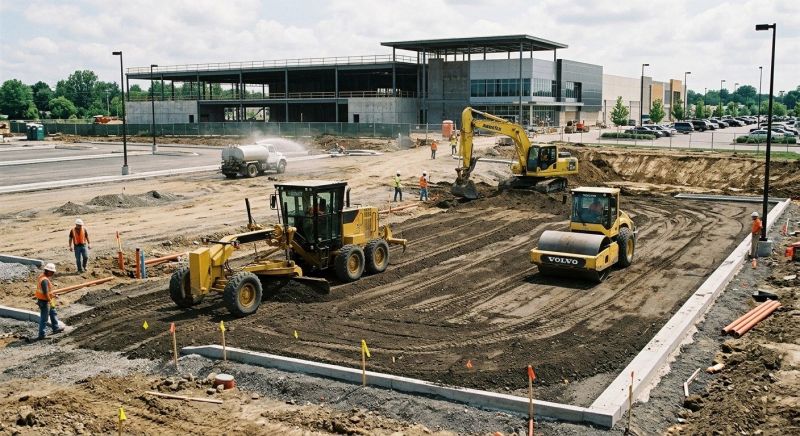
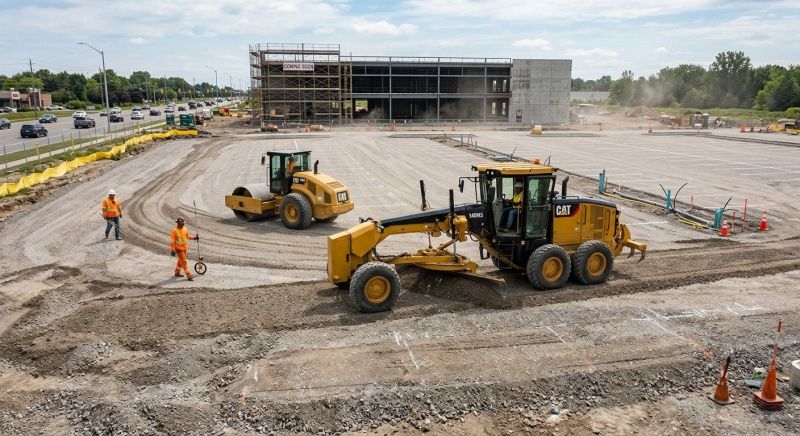
Parking lot excavation involves clearing and preparing the ground for new paving or surfacing projects.
Site clearing and grading ensure proper drainage and a level foundation for parking areas.
Subgrade preparation provides a stable base to support heavy vehicle traffic and prevent future settling.
Debris removal and earth moving help create a clean, even surface ready for paving or sealing.
Utility trenching and utility installation accommodate drainage, lighting, and other underground systems.
Existing parking lot demolition involves safely removing old pavement to make way for new construction.
Parking Lot Excavation Questions
What is parking lot excavation? It involves removing soil and debris to prepare the area for paving or surfacing of a parking lot.
What types of projects require parking lot excavation? Projects include new parking lot construction, enlargements, or repairs to existing surfaces.
How should property owners prepare for excavation work? Clear the area of obstacles and ensure access for equipment to facilitate a smooth process.
What factors influence the scope of parking lot excavation? The size of the area, soil condition, and any existing structures impact the excavation requirements.
Request Parking Lot Excavation in Park City, UT
Use the quote form on this page to share the basics of your project and request more information for the type of work you need.